


 Global - English
 Spanish - Español
 Arabic - عربي
 Italian - Italiano
 Polish - Polski
 French - Français
 Russian - Pусский язык
 Ukrainian - українська
 Chinese - 中文
 Korean - 한국어
 Turkish - Türkçe
 Vietnamese - Tiếng Việt


Commercial and Industrial Energy Storage Solution
Commercial and Industrial Energy Storage Solution
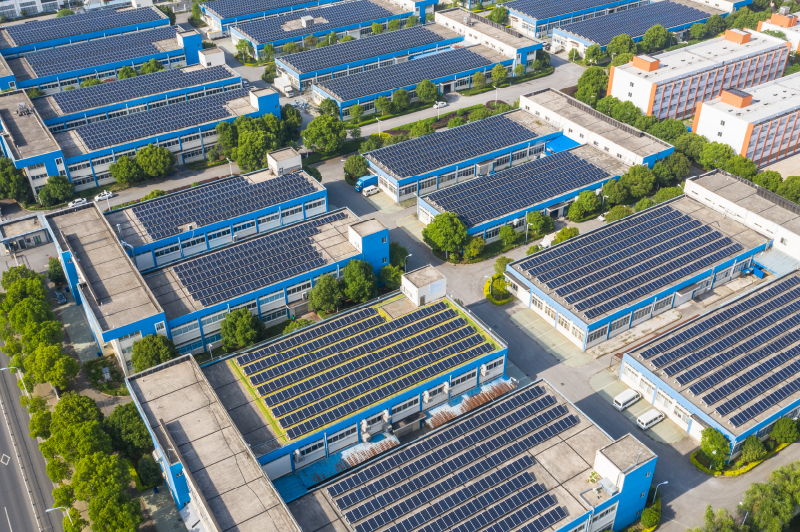
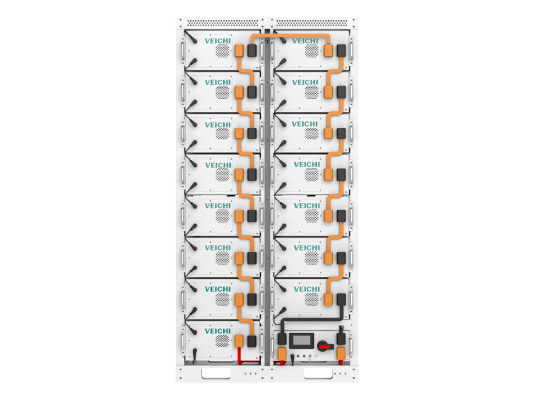
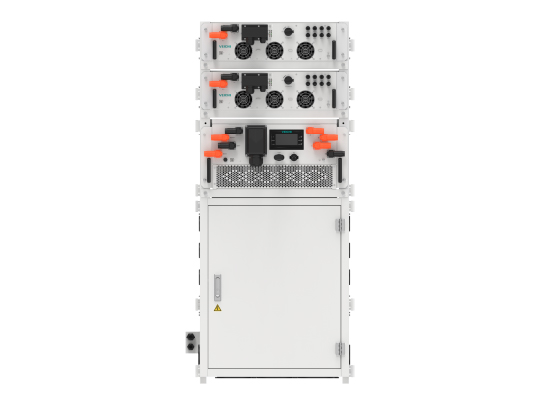
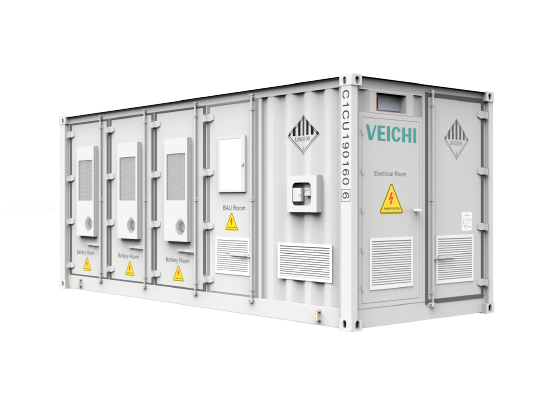
Commercial and Industrial (C&I) Energy Storage Systems are designed to store and manage electricity for factories, industrial facilities, commercial buildings, and other businesses. By integrating battery storage, power conversion, and intelligent energy management, C&I energy storage systems help reduce electricity costs through peak shaving and load shifting, improve power reliability, optimize energy consumption, and increase the utilization of renewable energy. They can operate independently or integrate with solar PV systems and the utility grid to provide flexible and efficient energy solutions.
Features and Benefits
Solution Advantages
Peak Shaving and Electricity Cost Reduction
Store electricity during off-peak periods and discharge during peak demand hours to reduce peak power demand, optimize electricity consumption, and lower energy costs.
Renewable Energy Integration
Store excess solar energy for use during periods of low generation or high demand, increasing solar self-consumption and reducing reliance on grid electricity.
Backup Power and Supply Reliability
Provide backup power for critical loads during grid outages, helping maintain business operations and improve power supply reliability.
Intelligent Energy Management
Optimize charging and discharging based on electricity tariffs, load profiles, and operating schedules, improving energy efficiency and operational flexibility.
VEICHI provides reliable Commercial and Industrial (C&I) Energy Storage Solutions designed to help businesses optimize energy consumption, reduce electricity costs, and improve power reliability. By integrating advanced battery energy storage systems (BESS), intelligent energy management, and power conversion technology, VEICHI delivers flexible energy storage solutions for a wide range of commercial and industrial applications.
Our C&I energy storage systems support peak shaving, load shifting, backup power, renewable energy integration, and energy management. By storing electricity during off-peak hours or when solar power generation is abundant and releasing it during periods of high demand, businesses can improve energy efficiency, reduce peak electricity demand, and maximize the value of renewable energy.
With scalable battery capacity and flexible system configurations, VEICHI commercial and industrial battery storage solutions are suitable for factories, industrial parks, commercial buildings, shopping centers, hotels, and other facilities with high energy consumption. Whether for standalone energy storage or solar-plus-storage applications, VEICHI helps businesses build more efficient, flexible, and sustainable energy systems.
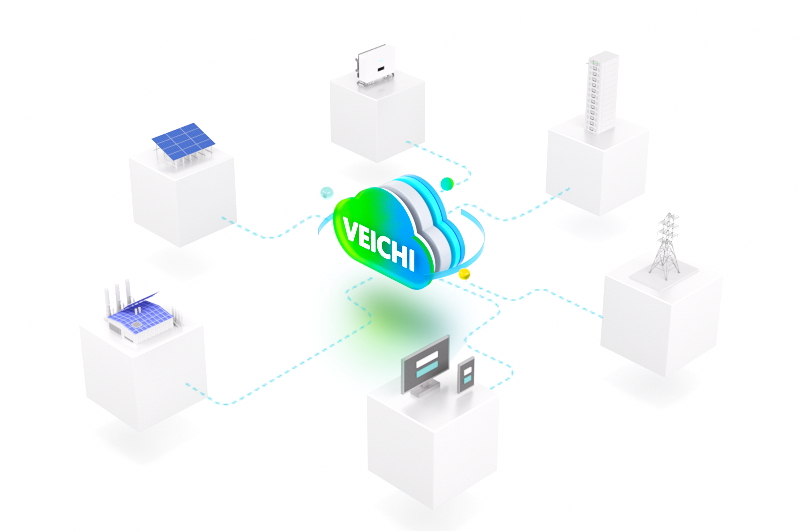
System Topology
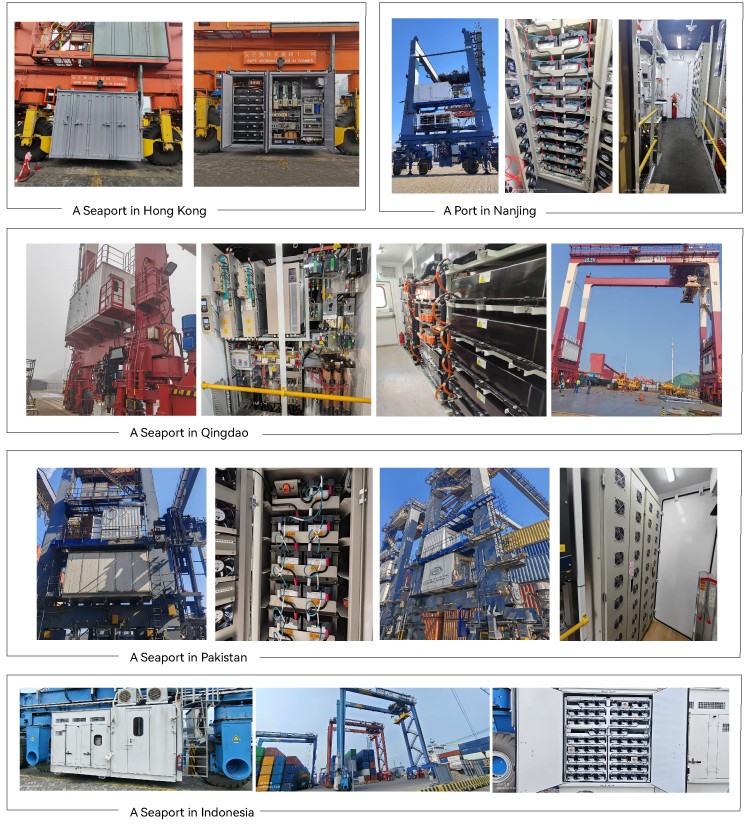
Project Collections
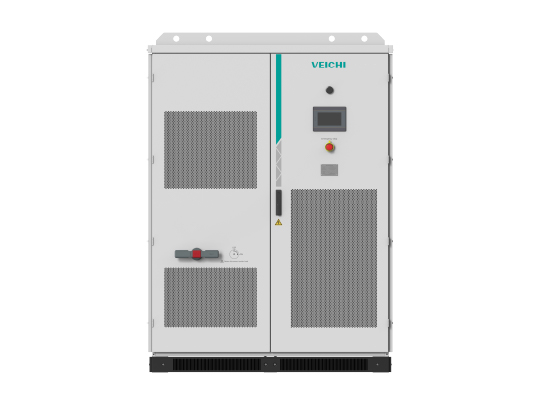
Related Products


Related Cases
Related News & Events
 Nov 25-27, 2025
More About Commercial and Industrial Energy Storage
How Does a C&I Energy Storage System Work?
A commercial and industrial battery energy storage system works by storing electricity during periods of low demand, low electricity prices, or high renewable energy generation, and discharging it during periods of high demand or when additional power is required.
The system operates through three basic processes:
-
Energy Charging: Electricity from the utility grid or renewable energy sources is converted and stored in batteries.
-
Energy Storage: The BMS monitors battery voltage, current, temperature, and State of Charge (SOC) to maintain safe and stable operation.
-
Energy Discharging: Stored electricity is released through the PCS to supply loads, reduce grid electricity consumption, or provide backup power when required.
An intelligent EMS coordinates charging and discharging schedules according to electricity tariffs, load demand, renewable energy generation, and operating strategies.
Types of Commercial and Industrial Energy Storage Systems
C&I energy storage systems can be classified according to their system configuration and application requirements.
Battery Energy Storage Systems (BESS)
Battery energy storage systems use rechargeable batteries to store electricity for later use. Lithium Iron Phosphate (LFP) batteries are widely adopted in commercial and industrial applications due to their thermal stability, safety characteristics, and long cycle life.
Grid-Connected Energy Storage Systems
Grid-connected energy storage systems operate in coordination with the utility grid. They can charge from the grid, store electricity, and discharge according to electricity prices, demand conditions, or grid requirements.
Solar-Plus-Storage Systems
Solar-plus-storage systems combine photovoltaic generation with battery storage. They store excess solar energy during periods of high generation and supply electricity when solar output is insufficient.
Hybrid Energy Storage Systems
Hybrid energy storage systems integrate multiple energy sources, such as solar PV, utility grid power, batteries, and sometimes backup generators, to improve energy flexibility and supply reliability.
Common Applications of C&I Energy Storage Systems
Commercial and industrial energy storage systems are widely used in facilities with high electricity consumption or specific power reliability requirements.
-
Manufacturing Facilities: Reduce peak demand, optimize electricity costs, and support critical production loads.
-
Industrial Parks: Coordinate energy consumption across multiple buildings and facilities.
-
Commercial Buildings: Improve energy efficiency and support solar power utilization.
-
Shopping Centers and Hotels: Manage peak electricity demand and improve power supply reliability.
-
Data Centers: Support power continuity and energy management for critical infrastructure.
-
EV Charging Stations: Reduce grid demand fluctuations and support high-power vehicle charging.
-
Solar-Plus-Storage Projects: Store excess solar generation for later use and increase renewable energy utilization.
How to Choose a Suitable C&I Energy Storage System?
Selecting a suitable commercial and industrial energy storage system requires evaluating several key factors:
-
Power Capacity (kW): Determines the maximum power the system can deliver or absorb.
-
Energy Capacity (kWh): Determines how much electricity the battery can store.
-
Load Profile: Helps identify peak demand, daily consumption patterns, and critical loads.
-
Electricity Tariff: Determines potential savings from peak shaving and time-of-use energy management.
-
Battery Technology: Influences system safety, cycle life, efficiency, and operating characteristics.
-
System Configuration: Depends on whether the system operates independently, connects to the grid, or integrates with solar PV.
-
Safety and Protection: Includes battery monitoring, thermal management, fire protection, and electrical protection.
-
Installation Environment: Covers available space, ambient temperature, ventilation, and site conditions.
A properly designed C&I energy storage system should match the facility's electricity consumption patterns, operational requirements, and long-term energy management objectives.


 Leave a Message