


 Global - English
 Spanish - Español
 Arabic - عربي
 Italian - Italiano
 Polish - Polski
 French - Français
 Russian - Pусский язык
 Ukrainian - українська
 Chinese - 中文
 Korean - 한국어
 Turkish - Türkçe
 Vietnamese - Tiếng Việt

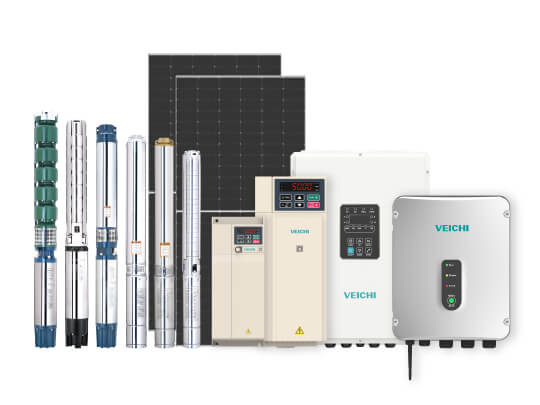
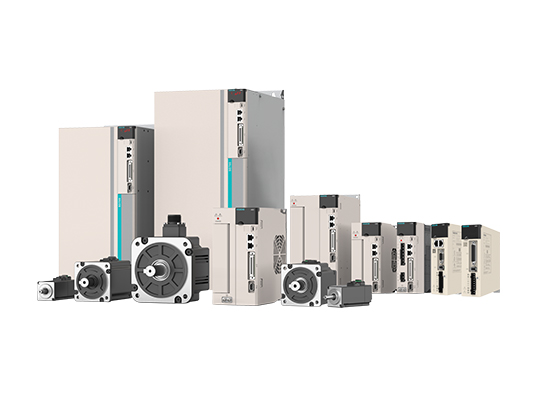
Power Transformer
A power transformer is a static device that transfers electrical energy between circuits without any moving parts, relying instead on electromagnetic induction. It operates on the principle of electromagnetic induction to efficiently adjust voltage levels for power transmission or distribution. The transformer includes two or more wire coils linked by a common magnetic core.
Typically, a power transformer has two coils—referred to as the primary and secondary windings—wound around a central laminated iron core. This core, constructed from stacked steel laminations, concentrates and directs the magnetic flux generated by the current flowing through the windings. The complete magnetic and electrical assembly is enclosed within a steel tank filled with insulating oil, which provides both electrical insulation and cooling for large power transformers during operation. In addition, larger utility transformers may include auxiliary components such as bushings, cooling ducts, tap changers, and protection circuits, enabling voltage adjustments and enhancing operational flexibility during power transmission.
-
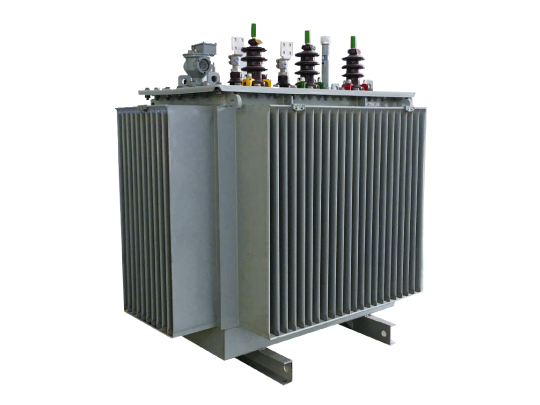
10kV S11/S13/S14 Series Oil-Immersed Power Transformers
S11/S13/S14 10kV hermetic distribution transformers – efficient, low loss, oil-filled, corrugated tank. Compact, maintenance-free, welded/bolted NBR seal.
-
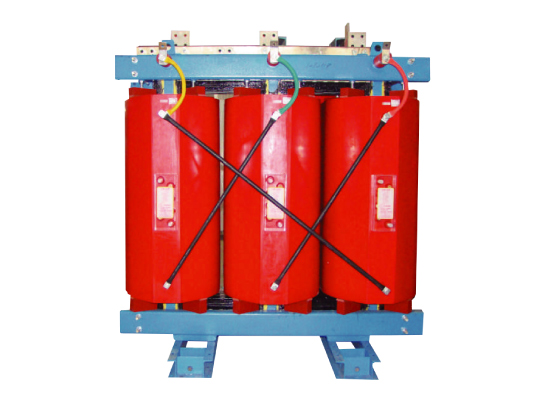
10 kV SC(B)10/SC(B)11/SC(B)12 Series Cast Resin Dry-Type Transformers
SC(B)10/11/12 cast resin dry-type transformers – eco-friendly alternative to oil type. Ideal for urban grids, high-rises, hospitals, transport hubs, underground substations.
-
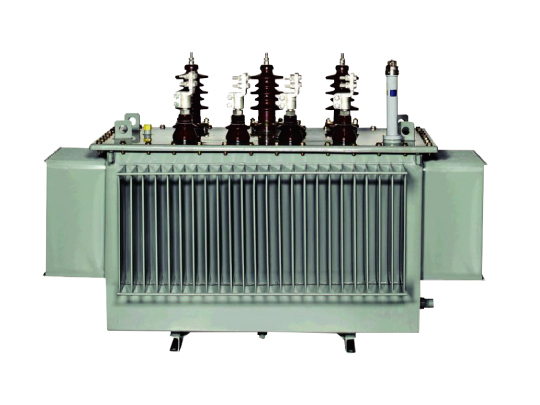
10kV SH15/SH16 Series Amorphous Alloy Oil-Immersed Power Transformers
10kV SH15/SH16 amorphous oil-immersed hermetic transformers. Low loss, 60% lower no-load loss than GB/T 6451. Ideal for grid upgrades.
-
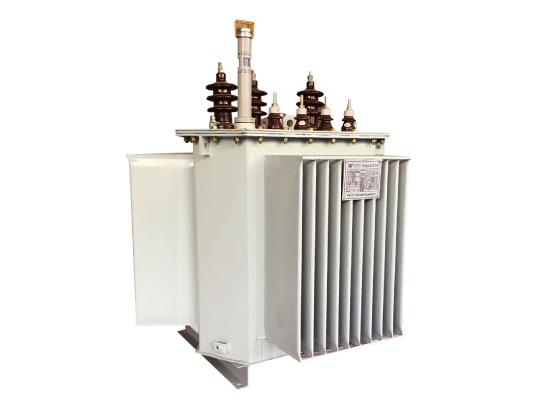
10kV S11-R.L/S13-R.L/S14-R.L Series Three-Dimensional Wound Core Oil-Immersed Power Transformers
10kV S11/S13/S14-R.L 3D wound core oil-immersed transformers. Equilateral triangle core, no air gap, low loss, low noise, compact, energy-saving for distribution grids.
-
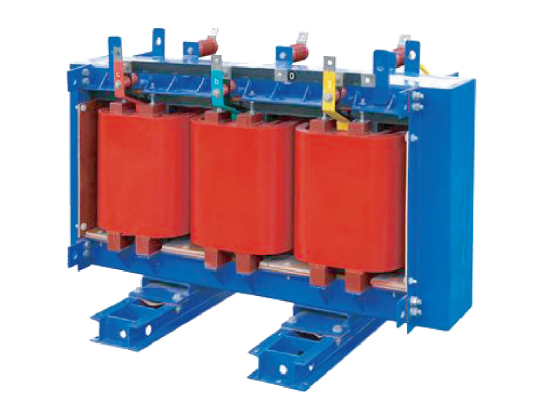
10kV SC(B)H15/SC(B)H16 Series Amorphous Alloy Cast Resin Dry-Type Transformers
SC(B)H15/SC(B)H16 amorphous cast resin dry-type transformers. Low no-load/load losses, flame-retardant, self-extinguishing. Ideal for urban networks, high-rises, metro, airports, fire-safe applications.
-
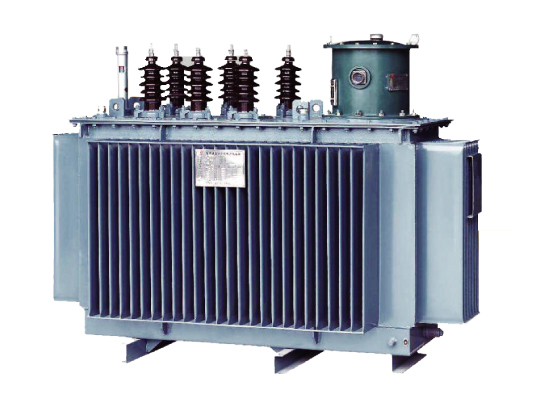
10kV On-Load Capacity and Voltage Regulating Oil-Immersed Power Transformers
10kV on-load capacity & voltage regulating oil transformer, up to 630kVA. Auto regulation, distribution monitoring, wireless remote control.
-
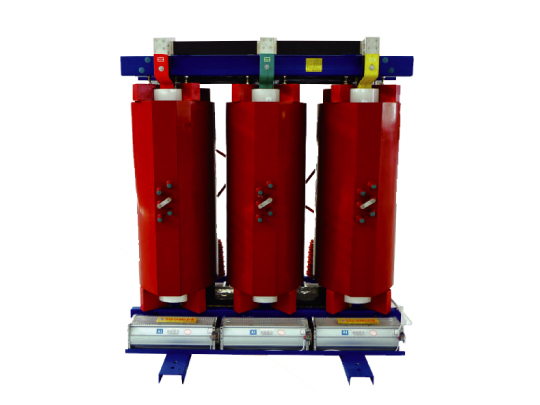
35kV Cast Resin Dry-Type Transformer
35kV dry-type transformer steps down to 400V or other LV levels. Reduces footprint, substation stages, line losses & investment. Improves reliability & efficiency.
-
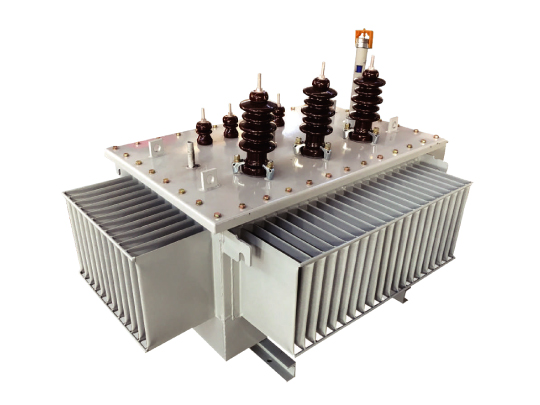
10kV High-Overload Oil-Immersed Power Transformers
10kV on-load capacity & voltage regulating oil transformer, up to 630kVA. Auto regulation, distribution monitoring, wireless remote control.
-
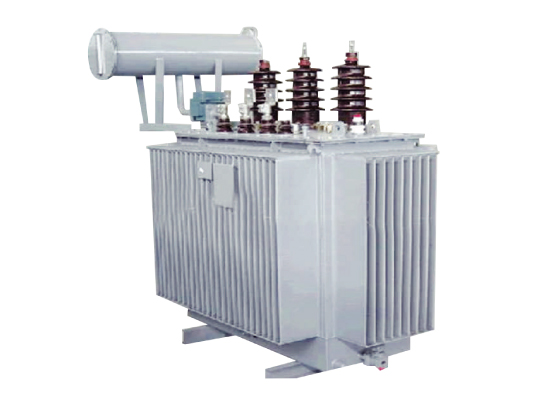
35kV~110kV Oil-Immersed Power Transformers
35kV~110kV oil-immersed transformers exceed GB/T 6451, comply with IEC. Low loss, low noise, reliable sealing, maintenance-friendly for urban/rural grids.
More About Power Transformer
Types of Power Transformer
1. Classification by Application:
- Step-up transformer – Used to increase low voltage to high voltage for long-distance transmission.
- Step-down transformer – Used to decrease high voltage to low voltage to meet grid requirements.
- Distribution transformer – Used in distribution networks to meet the needs of industrial and agricultural production.
- Interconnecting (or coupling) transformer – Used to connect two substations or networks.
- Auxiliary (or station service) transformer – Used specifically for industrial and mining enterprises or in-plant power supply.
2. Classification by Number of Phases:
- Single-phase transformer – Used for single-phase loads and as part of a three-phase transformer bank.
- Three-phase transformer – Used for step-up or step-down voltage applications in three-phase systems.
3. Classification by Winding Configuration:
- Autotransformer – Used for interconnecting extra-high-voltage (EHV), large-capacity power systems.
- Two-winding transformer – Used to connect two different voltage levels.
- Three-winding transformer – Used to connect three different voltage levels, typically applied in regional substations of a power system.
4. Classification by Winding Material:
- Copper-wound transformer
- Aluminum-wound transformer
5. Classification by Voltage Regulation Method:
- Off-circuit (or off-load) tap changer transformer – Tap changing is performed only when the transformer is de-energized.
- On-load (or on-circuit) tap changer transformer – Tap changing is performed while the transformer is energized.
6. Classification by Core Form:
- Core-type transformer
- Shell-type transformer
7. Classification by Cooling Method:
Oil-immersed transformers:
- Oil-immersed self-cooled (ONAN)
- Oil-immersed air-blast / forced-air cooled (ONAF)
- Oil-immersed water-cooled (OFWF or ONWF)
- Forced oil circulation (OF or OD depending on flow direction)
Dry-type transformers:
Rely on natural air convection for cooling; used in locations where oil is not permissible.
Gas-filled (or gas-insulated) transformers:
Use a special chemical gas, such as SF₆ (sulfur hexafluoride), instead of transformer oil for insulation and heat dissipation.
Power Transformer Applications
Power transformers are essential for voltage conversion across various applications, including:
- Substations – Step-up transformers raise voltage for long-distance transmission; step-down transformers reduce voltage for local distribution.
- Copper Mines – Special isolated transformers with enclosed coils prevent arcing in hazardous, explosion-prone underground environments.
- Power Plants – Station service transformers adjust generator output to match transmission voltage levels.
- Residential Distribution – Pole-mounted or pad-mounted transformers reduce distribution voltage to safe levels for home use.


 Leave a Message