


 Global - English
 Spanish - Español
 Arabic - عربي
 Italian - Italiano
 Polish - Polski
 French - Français
 Russian - Pусский язык
 Ukrainian - українська
 Chinese - 中文
 Korean - 한국어
 Turkish - Türkçe
 Vietnamese - Tiếng Việt

Dry-type Transformer
A dry-type transformer, also known as a cast resin transformer, is a solid-state static device with no moving parts. It relies on environmentally friendly solid insulation systems for proper operation. Unlike liquid-immersed transformers, which depend on oil or other fluids for insulation and cooling, dry-type transformers achieve voltage conversion without any liquid media. Cooling is provided by natural or forced air circulation rather than by oil or water. To ensure effective cooling, the transformer should be installed in a well-ventilated area where air can freely circulate around the coils.
Dry-type transformers do not require fire-resistant vaults or spill containment basins, unlike conventional liquid-filled units. They emit no hazardous gases during normal operation, making them safe for indoor installation. Additionally, they are considered environmentally friendly due to the absence of oil leakage risks and toxic emissions. These characteristics make dry-type transformers well suited for use in buildings, hospitals, tunnels, and other sensitive locations.
-
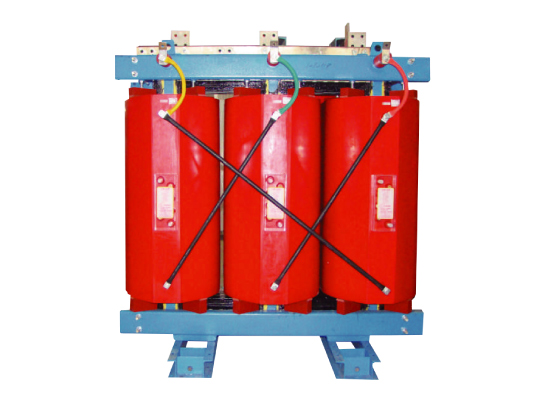
10 kV SC(B)10/SC(B)11/SC(B)12 Series Cast Resin Dry-Type Transformers
SC(B)10/11/12 cast resin dry-type transformers – eco-friendly alternative to oil type. Ideal for urban grids, high-rises, hospitals, transport hubs, underground substations.
-
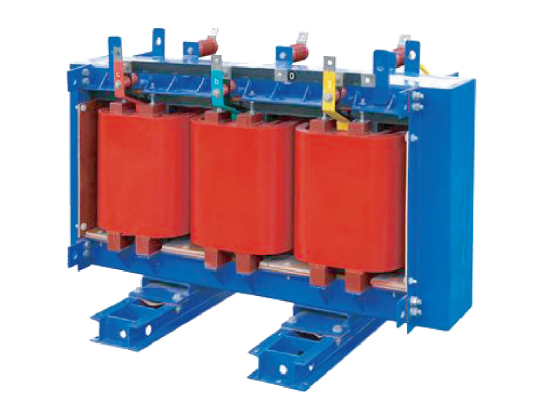
10kV SC(B)H15/SC(B)H16 Series Amorphous Alloy Cast Resin Dry-Type Transformers
SC(B)H15/SC(B)H16 amorphous cast resin dry-type transformers. Low no-load/load losses, flame-retardant, self-extinguishing. Ideal for urban networks, high-rises, metro, airports, fire-safe applications.
-
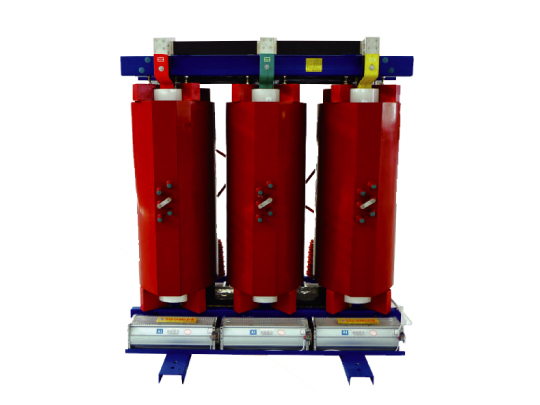
35kV Cast Resin Dry-Type Transformer
35kV dry-type transformer steps down to 400V or other LV levels. Reduces footprint, substation stages, line losses & investment. Improves reliability & efficiency.
More About Dry-type Transformer
Main Application of Dry Type Power Transformer
Dry transformers are best used in industrial, commercial, and even utility applications. This is because they can comfortably meet both small and medium voltage needs.
Advantages of Dry-type Transformer
- Self-extinguishing & low fire hazard – The solid insulation is flame-retardant and self-extinguishing, releasing no toxic gases under arcing.
- No oil usage – Air-cooled design eliminates oil and other liquids, reducing costs and maintenance.
- Eco-friendly & safe – No oil leaks, no environmental pollution, minimal explosion risk, and reliable in harsh or polluted environments.
- Low installation cost & load losses – Few installation restrictions, no groundwater protection needed, and a service life exceeding 20 years.
- Minimal maintenance – Very low upkeep required; no liquid testing, only occasional expert inspection.
- Sustainable – Low energy consumption, up to 90% recyclable materials, and long operational life.


 Leave a Message