


 Global - English
 Spanish - Español
 Arabic - عربي
 Italian - Italiano
 Polish - Polski
 French - Français
 Russian - Pусский язык
 Ukrainian - українська
 Chinese - 中文
 Korean - 한국어
 Turkish - Türkçe
 Vietnamese - Tiếng Việt

Oil-immersed Transformer
Oil-immersed transformers are a common type. Since transformers often operate under high-energy and high-temperature conditions, they are placed inside a steel tank filled with insulating oil. This oil provides both cooling and electrical insulation. Through natural convection, the oil circulates through and around the transformer core and windings, dissipating heat.
To prevent the degradation of transformer oil, its operating temperature should be kept below 85°C. For optimal performance and to minimize oil aging, the daily average operating temperature is typically maintained around 30°C.
-
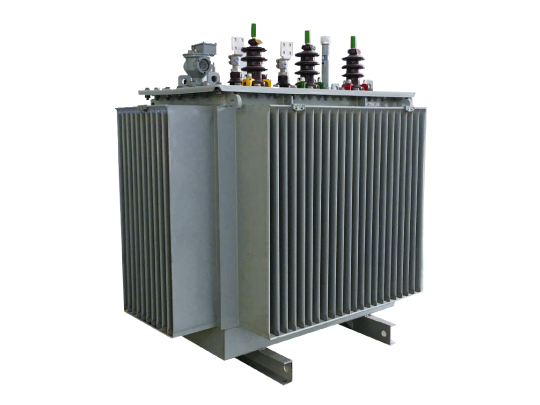
10kV S11/S13/S14 Series Oil-Immersed Power Transformers
S11/S13/S14 10kV hermetic distribution transformers – efficient, low loss, oil-filled, corrugated tank. Compact, maintenance-free, welded/bolted NBR seal.
-
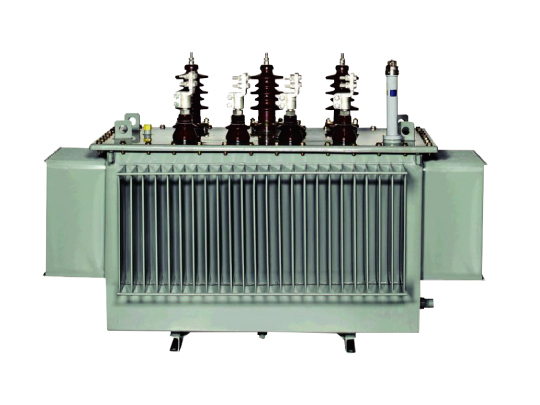
10kV SH15/SH16 Series Amorphous Alloy Oil-Immersed Power Transformers
10kV SH15/SH16 amorphous oil-immersed hermetic transformers. Low loss, 60% lower no-load loss than GB/T 6451. Ideal for grid upgrades.
-
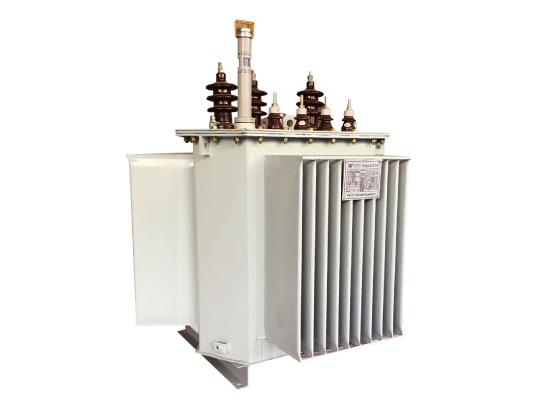
10kV S11-R.L/S13-R.L/S14-R.L Series Three-Dimensional Wound Core Oil-Immersed Power Transformers
10kV S11/S13/S14-R.L 3D wound core oil-immersed transformers. Equilateral triangle core, no air gap, low loss, low noise, compact, energy-saving for distribution grids.
-
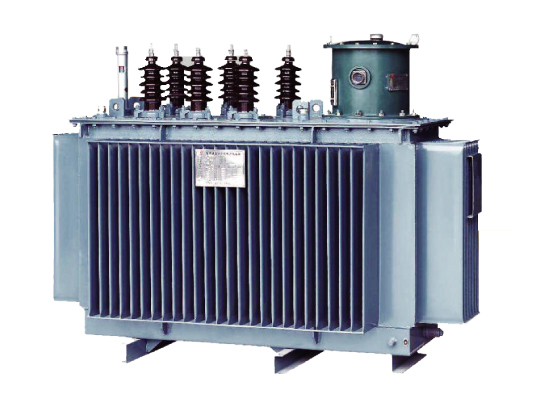
10kV On-Load Capacity and Voltage Regulating Oil-Immersed Power Transformers
10kV on-load capacity & voltage regulating oil transformer, up to 630kVA. Auto regulation, distribution monitoring, wireless remote control.
-
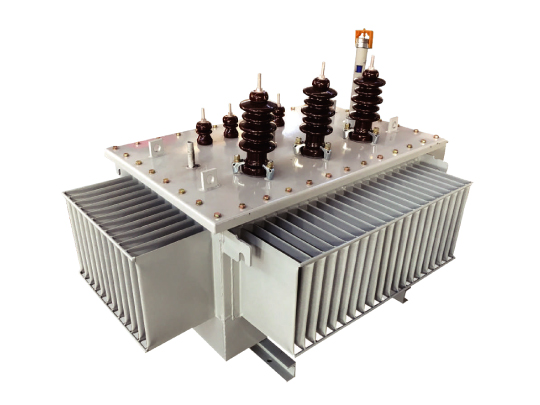
10kV High-Overload Oil-Immersed Power Transformers
10kV on-load capacity & voltage regulating oil transformer, up to 630kVA. Auto regulation, distribution monitoring, wireless remote control.
-
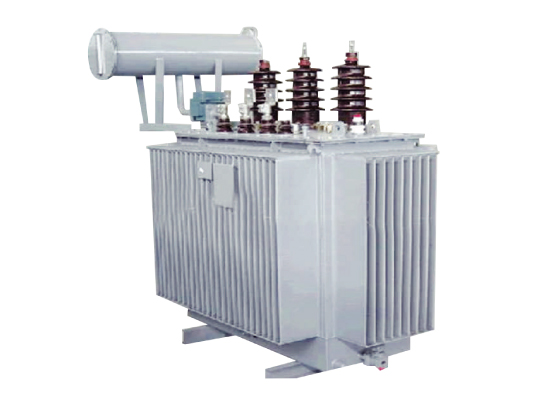
35kV~110kV Oil-Immersed Power Transformers
35kV~110kV oil-immersed transformers exceed GB/T 6451, comply with IEC. Low loss, low noise, reliable sealing, maintenance-friendly for urban/rural grids.
More About Oil-immersed Transformer
Types of Oil-immersed Transformers
- Oil-immersed self-cooled (ONAN)
- Oil-immersed air-blast / forced-air cooled (ONAF)
- Oil-immersed water-cooled (OFWF or ONWF)
- Forced oil circulation (OF or OD depending on flow direction)
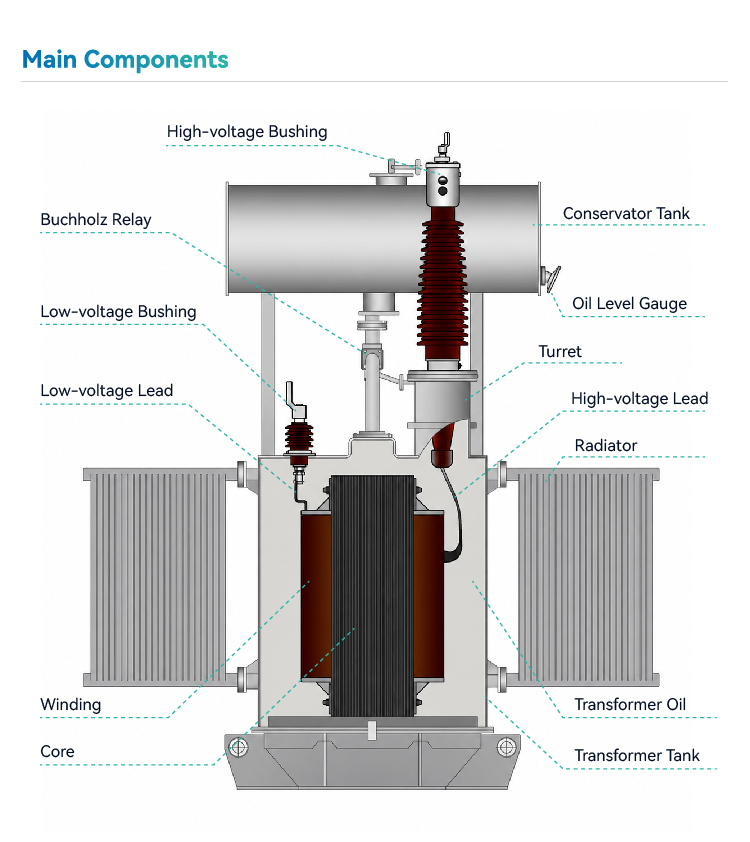
Basic Structure of Oil-immersed Transformers
1. Active Part
- Core
- Windings
- Insulation
- Leads (including tap-changer, lead clamps, etc.)
2. Tank
- Main Tank
- Transformer Tank
3. Accessories
- Conservator
- Oil valves
4. Cooling System
- Radiators
- Fans
- Oil pumps
5. Protective & Outlet Devices
- Pressure relief device
- Buchholz relay
- Temperature sensors
- Dehydrating breather
- Bushings
Advantages of Oil-Immersed Transformers
- Lower cost – Oil-filled units are significantly more economical, often costing about half as much as other types of similar capacity.
- Superior cooling performance – Oil serves as an efficient cooling medium, providing better heat dissipation.
- High voltage capability – Oil-immersed designs can operate at very high voltage levels without the limitations found in some other transformer types.
- Versatile applications – They can serve effectively as both power transformers and distribution transformers.
- Environmentally friendlier in end-of-life – They are easier to recycle compared to many alternatives.
- Compact size – Their design allows for a relatively small footprint.
- Suitable for outdoor installation – They are best deployed outdoors, where any potential oil spill or leakage poses less risk.
Application Scenarios of Oil-Immersed Transformers
- Power transmission and distribution networks – Widely used in substations and grid systems for stepping up or stepping down voltage levels.
- Industrial facilities – Suitable for factories, mines, and manufacturing plants that require high voltage capacity and reliable power supply.
- Power plants – Employed in thermal, hydroelectric, and nuclear power stations to connect generator output to transmission lines.
- Outdoor substations – Ideal for outdoor installation due to robust construction and effective cooling.
- Renewable energy systems – Used in large-scale solar and wind farms to collect and step up generated power for grid integration.
- Railway power systems – Applied in traction substations to supply suitable voltage for electric trains.
- Commercial and residential areas – Serves as distribution transformers to deliver power to buildings and housing complexes (typically installed outdoors on pads or poles).
- High-voltage applications – Preferred where operating voltages exceed 35 kV, such as transmission-level networks.


 Leave a Message