


 Global - English
 Spanish - Español
 Arabic - عربي
 Italian - Italiano
 Polish - Polski
 French - Français
 Russian - Pусский язык
 Ukrainian - українська
 Chinese - 中文
 Korean - 한국어
 Turkish - Türkçe
 Vietnamese - Tiếng Việt


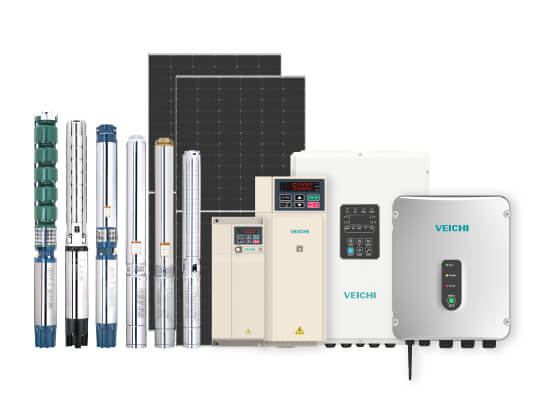
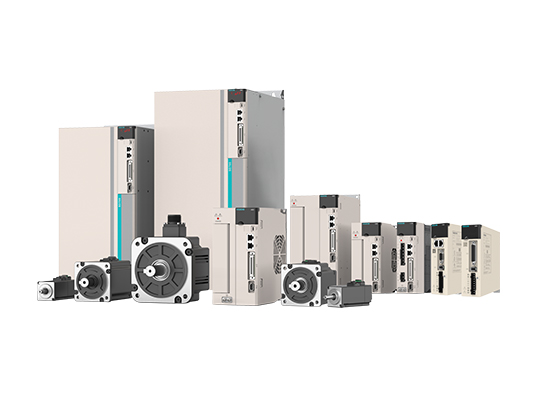
Low Voltage Drives
As the leading low voltage VFD manufacturer, VEICHI provides a full range of products such as low voltage inverter at wholesale price. If you need high performance low voltage variable frequency drives for your system, then you've already come to the right place as VEICHI provides a wide range of ac drives choices that you can rely on. According to our customer requirements, VEICHI has developed AC600F, AC600, AC310, AC10, AC01 and more lower voltage frequency inverter models which are best selling products with great quality, outstanding performance, high stability and accuracy.
-
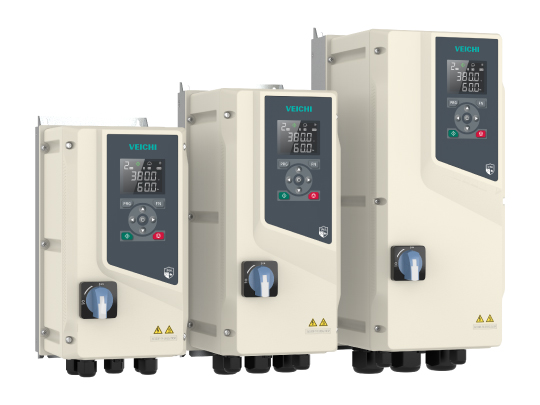
AC600F IP66 High-Ingress Protection Waterproof VFD Drive
Designed for wet, washdown, dusty, humid, and outdoor environments, this fully sealed AC drive reliably controls induction motors while protecting against rain and harsh external elements.
-
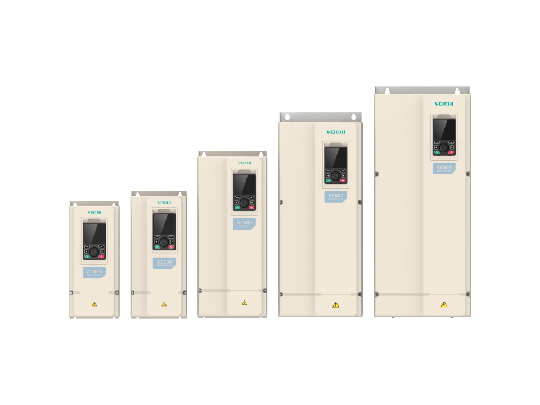
AC600 Series High-performance Drive
AC600 ac drive employs a full topology drive architecture for asynchronous motors (IM), synchronous motors (SM) and synchronous reluctance motors with integrated adaptive vector control algorithms.
-
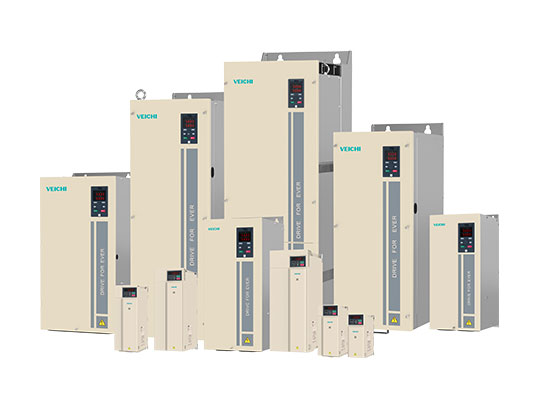
AC310 Series Variable Frequency Drive - AC Drive
AC310 series AC Drive VFD of VEICHI is a product that continues to be developed on new high-performance vector technology platform.
-

AC10 Series Variable Frequency Drive - AC Drive
AC10 series frequency drive is a product developed on the latest technology platform of VEICHI. AC10 products are based on the market demand for miniaturization, high reliability and high cost performance.
-
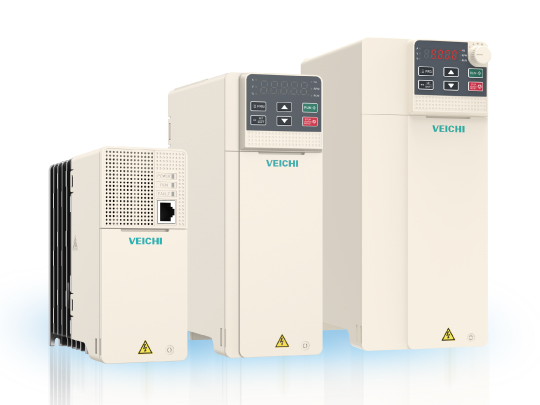
AC01 Series Network AC Drive
AC01 network ac drives with compactness and intelligence, is developed to meet the market demand for lower volume and higher performance/price ratio. The network port can support the expansion of the built-in keyboard or external keyboard.
-
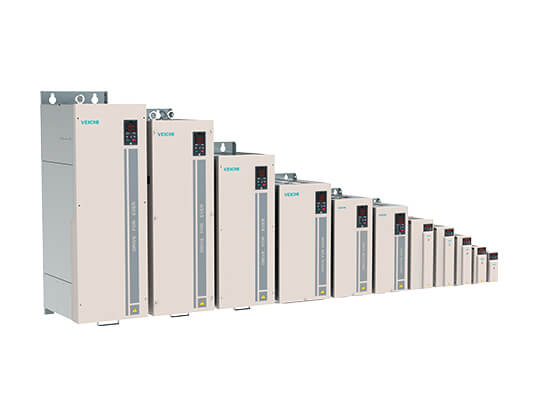
AC330 Special Frequency AC Drive for Synchronous Reluctance Motor
The AC330 series ac drive is further optimized on the VEICHI AC310 product platform, integrating the drive control concept of the synchronous reluctance motor, and developing a new vector control algorithm.
-

AC200 High Performance Vector Control AC Drive
VEICHI AC200 series AC drive is developed with advanced real-time high performance vector control algorithm.
More About Low Voltage Drives
What is Low Voltage VFD?
Low voltage VFDs are also called Low Voltage Variable Frequency Drives. They are used to control AC motors in low voltage power systems. The VFD's input voltage (AC power supply), typically below 690V, is rectified and filtered into DC voltage. The VFD then converts the DC voltage into adjustable frequency AC output voltage that matches the speed of the motor to be controlled. These electrical drives are used to control the speed and torque of low voltage electric motors. They control the speed and torque of the motors by varying the frequency and voltage of the power supplied to the motor. Low voltage AC drives are mainly used with low voltage AC motors in applications such as pumps, fans, conveyors, and general industrial machinery.
How to Choose a Low Voltage AC Drive?
Choosing the right low voltage VFD is critical for energy efficiency, motor protection, and system reliability. By following this selection guide, you can improve system efficiency, extend motor life, and avoid costly oversizing or undersizing.
1. Match Current, Not Power
Match the drive’s continuous output current to the motor’s nameplate full-load current (FLA).
2. Identify Load Type
- Variable torque (pumps, fans): 110–120% overload
- Constant torque (conveyors, hoists): 150–200% overload
3. Select Control Method
- V/f: basic pump and fan applications
- Sensorless vector: conveyors, mixers, general machinery
- Closed-loop vector: cranes, winders, machine tools
4. Check Environmental Conditions
Verify ambient temperature and altitude. Derate if above 40°C or 1000m.
5. Review Installation Factors
- Cable length: use load reactor or dv/dt filter for long runs
- Harmonics: add DC link choke or AC line reactor if needed
- Panel space: confirm mounting clearances and cooling
- Motor insulation: use inverter-duty motor or output filter for long cables
6. Verify with Manufacturer
Confirm selection using motor nameplate data, load profile, and site conditions.
Frequently Asked Questions (FAQ)
Q1: What is the difference between a low voltage AC drive and a high voltage VFD?
A low voltage AC drive operates below 690V and is used in general industrial applications. A high voltage VFD operates above 690V and is used in heavy industries such as mining and cement.
Q2: Can I use a low voltage VFD with a single-phase motor?
No. Standard low voltage VFDs are designed for three-phase AC motors. Single-phase motors require a different type of drive or a phase converter.
Q3: How do I calculate the correct VFD size?
Match the VFD’s continuous output current to the motor’s nameplate full-load current (FLA). Then verify the overload capacity based on your load type (variable or constant torque).
Q4: What is the typical lifespan of a low voltage AC drive?
With proper installation and maintenance, a low voltage AC drive typically lasts 10–15 years, depending on ambient conditions and load cycles.


 Leave a Message